Americas FX News Wrap: Trump Reverses Beef Tariffs Amid Economic Shifts
The week concludes with a mixed economic picture across the Americas. A significant development involves the U.S. administration's adjustment of import policies to address domestic consumer costs, alongside varied performances in key economic indicators and currency markets. This report delves into these critical shifts, illustrating the interconnectedness of trade policies, consumer spending, and global financial dynamics.
Americas Financial Insights: Beef Tariffs, Retail Sales, and Market Reactions on August 21st
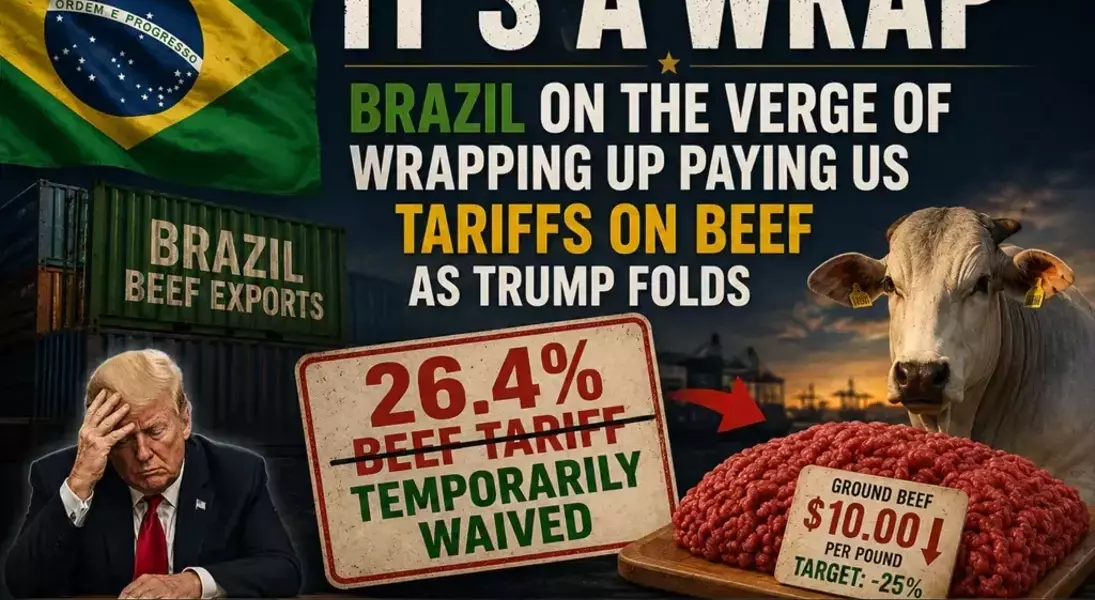
On August 21st, a notable policy adjustment emerged from the United States regarding beef imports. President Trump announced a waiver of the 26.4% out-of-quota tariff on an additional 300,000 metric tons of ground beef over the next 90 days. This decision, aimed at mitigating sharply escalating beef prices in U.S. grocery stores—where ground beef can now fetch around per pound—highlights a strategic shift to ease consumer burdens. Brazil, as the world's largest beef exporter, is poised to benefit significantly, with its President, Luiz Inácio Lula da Silva, having engaged in discussions with Trump. The move underscores the administration's attempt to address a tightening domestic cattle supply, exacerbated by drought, increased feed and energy costs, and labor shortages, which have fueled a substantial rise in beef prices, outpacing general food inflation.
In other economic news, Canada's retail sales for June surpassed expectations, posting a 0.6% increase against a forecasted 0.4%, with May's figures also revised upwards to 1.1%. Core retail sales, excluding automobiles, rose by 0.5%, driven by general merchandise and clothing. A robust 1.5% increase in sales volumes and an anticipated 0.8% rise in July indicate sustained consumer spending momentum into the third quarter.
The U.S. S&P Global flash PMI data for August indicated a stronger overall economic performance. While manufacturing PMI slightly dipped to 53.2 (below the 53.9 expectation), it remained within expansion territory. The services sector, however, displayed significant strength, with its PMI climbing to 56.8 from an expected 54.0, pushing the composite PMI to 56.0 from 54.5. These figures suggest the strongest U.S. business activity in over four years, pointing towards an annualized third-quarter growth nearing 3%. Employment also improved, though supply chain disruptions and inflationary pressures persist as concerns.
Financial markets observed a fluctuating U.S. dollar, ending the week mostly weaker against major currencies, with the Swiss franc being the only exception where the greenback gained. Commodity-linked currencies like the Australian, New Zealand, and Canadian dollars saw significant appreciation against the USD. Bond yields experienced upward movement for the week, despite the Treasury's announcement to double its long-term bond buyback program to at least billion per operation starting in September, a measure aimed at supporting bond prices and potentially lowering long-term yields. This initiative, distinct from Federal Reserve's quantitative easing, aims to manage existing debt and signaled a more active Treasury presence in the long end of the yield curve.
Equities concluded the week with gains on Friday, though major indices registered weekly losses. Gold and silver both saw substantial increases, with gold rising 1.86% to 02.66 and silver gaining 1.30% to .95. Bitcoin experienced its most impressive week since March 2023, surging 25% to ,640, with an additional 7.76% rise on the final trading day.
This week's economic events underscore the delicate balance between domestic economic pressures and international trade policies. The U.S. administration's pivot on beef tariffs highlights the pragmatic need to address consumer inflation, even if it means recalibrating protectionist stances. Simultaneously, robust consumer spending in Canada and a thriving services sector in the U.S. provide a backbone of economic resilience. However, the persistent challenges of inflation, supply chain issues, and managing national debt continue to shape market dynamics. Investors and policymakers alike must navigate these complex interactions, where immediate consumer relief can dictate long-term trade strategies, and localized economic data can ripple through global financial landscapes.