Crete: An Authentic Greek Island Escape
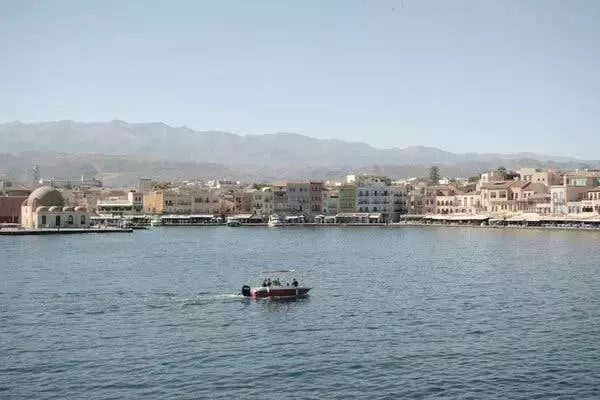
Crete, Greece's largest and most populous island, is a microcosm of the country itself, boasting towering mountain ranges, windswept beaches, bustling cities, and tightly-knit villages. Yet, it maintains its unique customs, music, and cuisine, shaped by its diverse landscape, rich agriculture, and a long history of occupations. The island's ancient Minoan culture is considered Europe's oldest civilization, followed by periods as Greek city-states, absorption into the Roman Empire, and centuries of Venetian and Ottoman rule. Despite these influences, Cretans have steadfastly preserved their local dialect and traditions, offering visitors an authentic experience. As jewelry designer Ileana Makri, a frequent visitor since 1976, notes, "What I love most about Crete is that it has remained true to itself. Despite its size and popularity, there's still a profound sense of authenticity."
The island's allure as a tourist hotspot has steadily increased since Olympic Airways began flights in 1957, with new developments like a Marriott and an upcoming Rosewood property further expanding its appeal. However, Crete's remote southern beaches remain unspoiled and uncrowded, even during peak season. Inland villages continue their traditional daily routines, with locals gathering in "kafeneia" (cafes) and celebrating at "panegyria," vibrant music, dance, and food festivals honoring patron saints. These enduring Cretan treasures often require a bit of effort to discover, hidden in gorges or at the end of winding mountain roads. But as London-based designer Michael Anastassiades, who first visited in 2007, attests, the breathtaking scenery makes the journey worthwhile: "It takes a little while, but driving in Crete is one of the most beautiful experiences." For an optimal visit, experts recommend traveling during the shoulder seasons of April-May or September-October to enjoy pleasant weather and fewer crowds.
Discovering Crete's Enduring Charm
Crete, Greece's most expansive and densely populated island, embodies a miniature version of the nation itself, featuring majestic mountain ranges, windswept coastlines, vibrant urban centers, and quaint, close-knit hamlets. This island distinguishes itself with its unique cultural practices, musical heritage, and culinary delights, all deeply influenced by its varied geography, fertile agricultural lands, and a long lineage of foreign rulers. Its ancient Minoan civilization is recognized as Europe's earliest, preceding its evolution into a collection of ancient Greek city-states, its integration into the Roman Empire, and subsequent periods under Venetian and Ottoman dominion. Throughout these historical epochs, the people of Crete have diligently safeguarded their distinctive language and customs, presenting an unadulterated cultural experience to contemporary visitors. As articulated by jewelry artisan Ileana Makri, who has been a regular visitor since 1976, "The most captivating aspect of Crete for me is its steadfast adherence to its original identity. Regardless of its dimensions and widespread appeal, there is an enduring and profound sense of genuineness."
The magnetism of Crete as a tourist destination has intensified progressively since the advent of Olympic Airways flights in 1957, with the recent establishment of a Marriott hotel and the forthcoming launch of a Rosewood property further amplifying its allure. Nonetheless, the secluded shores along Crete's southern coast maintain their pristine and tranquil character, even amidst the busiest tourist seasons. The island's interior villages largely adhere to their time-honored daily routines, where inhabitants congregate in traditional "kafeneia" (coffee houses) and partake in "panegyria," exuberant festivals brimming with music, dance, and local cuisine, held to honor local saints throughout the year, with a peak during the summer months. These cherished Cretan marvels frequently necessitate a degree of perseverance to reach, nestled within deep gorges or at the culmination of circuitous mountain paths. Yet, as affirmed by London-based designer Michael Anastassiades, a first-time visitor in 2007, the spectacular natural beauty abundantly rewards the effort: "While it may take some time, driving through Crete offers one of the most magnificent experiences." For those seeking an ideal visit, seasoned travelers and local experts suggest planning trips during the transitional months of April-May or September-October, capitalizing on agreeable weather and a more serene atmosphere.
Navigating Crete's Hidden Wonders and Travel Tips
Crete's appeal as a tourist destination has steadily grown since the mid-20th century, with improved accessibility and new hospitality developments, such as a recently opened Marriott and an upcoming Rosewood resort. However, the island successfully retains its authentic character. Its secluded beaches along the southern coast remain untouched by large crowds, even during the high season, offering a tranquil escape. The island's inland villages are vibrant with local life, where residents gather in traditional "kafeneia" and celebrate at "panegyria"—festivals rich in music, dance, and local food, honoring patron saints throughout the year. These genuine Cretan experiences, while sometimes requiring effort to reach due to their remote locations in gorges or winding mountain roads, offer unparalleled rewards in terms of natural beauty and cultural immersion. The renowned designer Michael Anastassiades, reflecting on his first visit in 2007, emphasizes that "driving in Crete is one of the most beautiful experiences," underscoring that the journey itself is part of the island's charm. For an optimal travel experience, seasoned travelers advise visiting during the shoulder seasons of April-May or September-October to enjoy pleasant weather and avoid the busiest tourist periods.
To truly unlock Crete's hidden gems, both frequent visitors and locals suggest a strategic approach. Traveling in the shoulder seasons—specifically April to May or September through October—is highly recommended. This period offers the dual benefit of more moderate temperatures and significantly fewer tourists, allowing for a more intimate and enjoyable exploration of the island's natural and cultural landscapes. The article highlights that even with growing tourism infrastructure, exemplified by new hotel chains, the authentic core of Crete persists in its less-traveled areas. These include the wild and pristine beaches of the southern coast, which manage to remain uncrowded even during the height of summer, and the timeless inland villages. In these villages, daily life unfolds around traditional "kafeneia" and vibrant "panegyria," providing a window into the island's enduring customs. The journey to these secluded spots, often involving challenging drives through picturesque mountain roads and gorges, is considered an integral part of the adventure. The breathtaking vistas and the sense of discovery encountered along these routes are consistently cited as a highlight, making the effort profoundly worthwhile for those seeking an authentic and memorable Cretan experience.