Samsung Galaxy Z Flip 7 FE: A Disappointing "Affordable" Foldable
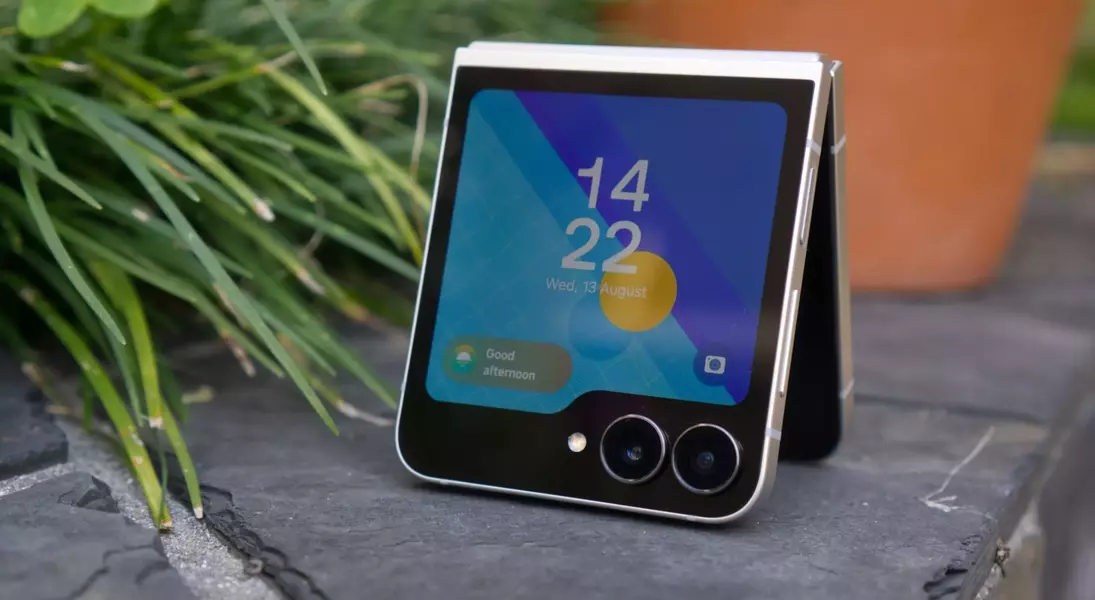
Samsung's journey with foldable phones began in 2020 with the original Galaxy Z Flip, consistently maintaining a price point around the ,000 mark. Despite the emergence of more budget-friendly foldable alternatives from brands like Motorola, Nubia, and TECNO, a truly accessible Galaxy Z Flip has remained elusive. The recent introduction of the Galaxy Z Flip 7 FE alongside the higher-end Galaxy Z Flip 7 was hoped to address this gap. However, extensive testing reveals that the Z Flip 7 FE, while positioned as a more affordable option, still carries a premium price of 9, making it less of a breakthrough in affordability than anticipated.
Functionally and aesthetically, the Galaxy Z Flip 7 FE closely resembles its predecessor, the Galaxy Z Flip 6. This design continuity includes identical dimensions and weight, the familiar folder-shaped cover screen, and a 6.7-inch folding OLED main display. While the main screen's 22:9 aspect ratio might feel somewhat elongated, the cover screen, despite being smaller than the Z Flip 7's, proves adequately functional for quick interactions and even some typing. Durability features, such as an Armor Aluminum frame, Gorilla Glass Victus 2 on the cover, and an IP48 rating, are carried over. However, the internal hardware sees a shift, with Samsung opting for the 2024 Exynos 2400 chipset instead of the Snapdragon 8 Gen 3 found in the Z Flip 6, likely to manage costs. This choice, unfortunately, results in slightly lower multi-core performance compared to the Z Flip 6 in benchmarks, though real-world daily usage remains smooth for most tasks and even some demanding games. Battery life, leveraging a 4,000mAh unit, offers moderate usage for about a day, but multi-day usage requires significant compromises. Charging speed, capped at 25W, is noticeably slow compared to competitors, taking over an hour to fully charge.
Software-wise, the Z Flip 7 FE runs on One UI 8 based on Android 16, benefiting from Samsung's promise of seven years of software updates. However, the cover screen's functionality leaves much to be desired. Unlike Motorola's approach, Samsung restricts widget usage to a limited selection and requires the MultiStar app for running third-party applications on the outer display, hindering versatility. Despite these limitations, the core One UI experience remains robust, offering a suite of Galaxy AI features like on-device summaries, writing tools, and generative photo editing, along with useful additions such as call recording. While the camera setup, featuring a 50MP main lens, a 12MP ultrawide, and a 10MP selfie camera, is identical to the Z Flip 6, images often suffer from noise and softness, and the absence of a dedicated zoom lens is keenly felt, especially when attempting magnifications beyond 2x. These camera shortcomings are potentially firmware-related, but overall, the imaging experience is not a strong point.
Ultimately, the Samsung Galaxy Z Flip 7 FE struggles to justify its 9 price tag. It positions itself as a more affordable option but is essentially a re-engineered Z Flip 6 with a less powerful, albeit cheaper, processor. While its design, core software, and long-term update support are commendable, the compromises in performance, slow charging, and underdeveloped cover screen software, coupled with its price, make it a less appealing choice when compared to alternatives like the Motorola Razr (2025), which offers a better value proposition at a lower cost. Samsung's strategy seems to target existing Z Flip 3 and 4 owners looking for an upgrade at a similar contract price rather than delivering a genuinely competitive budget-friendly foldable. Moving forward, Samsung should aim for a more aggressive pricing strategy, perhaps with a "Galaxy A Flip" model, to truly democratize foldable technology and make it accessible to a wider audience, fostering innovation and user satisfaction in the foldable market.