Bank of Canada's Macklem Addresses Inflation and Economic Outlook
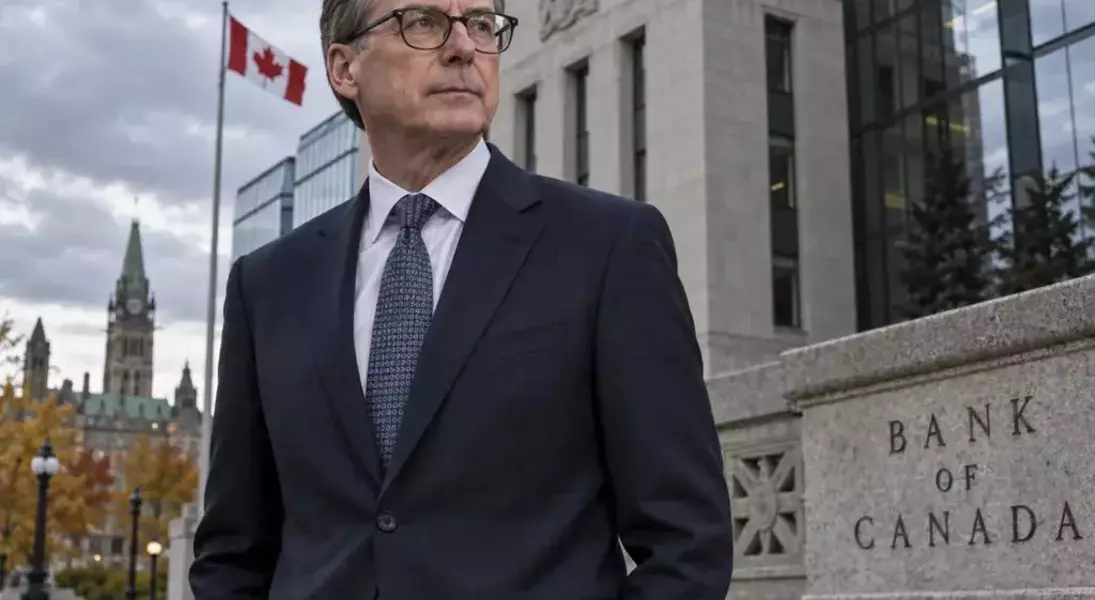
Bank of Canada Governor Tiff Macklem recently articulated his reservations regarding the sustained upward trend in inflation, specifically highlighting the impact of higher fuel profit margins. These comments come alongside a downward revision of the fourth-quarter growth projections. Macklem’s statements suggest a cautious but hawkish stance, as the central bank grapples with balancing economic growth and inflationary pressures. The market's reaction, particularly the strengthening of the Canadian dollar, underscores the sensitivity of financial instruments to central bank rhetoric.
The Governor's remarks underscore a critical juncture for Canadian monetary policy. While acknowledging the potential for global trade tensions and rising energy costs to dampen economic expansion, the primary focus remains on controlling inflation. The anticipation of further increases in headline inflation, driven by factors like persistent fuel margins and potential spillover effects, suggests that the Bank of Canada is prepared to take decisive action if necessary. The ongoing evaluation of the current policy rate and the explicit consideration of further tightening signal a proactive approach to price stability, even as growth forecasts are adjusted.
Bank of Canada's Inflation Concerns and Economic Projections
Bank of Canada Governor Tiff Macklem recently voiced worries about inflation, specifically highlighting the potential for elevated fuel margins to become a more permanent feature of the economic landscape. This concern is particularly salient given the downward revision of the fourth-quarter growth forecast to a mere 0.75%. Macklem pointed out that these persistent fuel costs could contribute to an enduring rise in overall inflation, leading to expectations of a slight increase in inflation levels in the upcoming months. The central bank's primary focus remains its inflation projections, with a key question being whether the existing interest rate is adequate or if further increases are necessary to curb inflationary pressures. He also noted that a delay in rate adjustments now could necessitate more aggressive and substantial hikes in the future, signaling a commitment to price stability despite the economic headwinds.
Macklem's comments provide crucial insight into the Bank of Canada's current thinking. He elaborated on the complex interplay of forces affecting the Canadian economy, including the dampening effect of new US tariffs on Canadian investment and hiring, and the dual impact of global events like the Middle East conflict on oil prices, which could further fuel inflation. While acknowledging the slower economic growth, the central bank maintains that inflation control is paramount. The explicit discussion about the need to potentially raise interest rates, contingent on inflation data and the spread of higher fuel costs to other prices, indicates a hawkish tilt in monetary policy. This vigilant stance suggests that the Bank of Canada is prioritizing long-term price stability, even if it means confronting short-term economic vulnerabilities. The strengthening of the USDCAD pair following these statements reflects market participants' reactions to the central bank's firm anti-inflationary posture.
Monetary Policy Outlook and Market Reactions
The Bank of Canada's recent communication, particularly Governor Macklem's statements, indicates a strong inclination towards a hawkish monetary policy stance. Despite a moderated outlook for economic growth, Macklem has openly questioned the appropriateness of the current policy rate, suggesting that further increases are a distinct possibility. This willingness to consider additional tightening measures underscores the central bank's unwavering commitment to combating inflation, especially if the impact of rising fuel costs extends to broader price levels. The market's immediate response, evidenced by the USDCAD exchange rate reaching a new high, highlights the sensitivity of currency markets to signals of potential interest rate adjustments and the perception of a more aggressive monetary policy path.
The central bank's strategy is clearly focused on containing inflationary pressures, even if it entails potential trade-offs with economic growth. Macklem’s previous warnings about external factors like US tariffs and geopolitical tensions impacting Canadian investment further complicate the economic picture. However, the overarching message from the Bank of Canada is that persistent inflation, particularly from sectors like fuel, cannot be ignored. The upcoming inflation data will be critical in determining the trajectory of future policy decisions. Should inflation prove more entrenched or broaden beyond energy prices, the probability of further rate hikes would likely increase. This proactive approach aims to prevent a scenario where delayed action would necessitate more drastic and potentially disruptive measures, reinforcing the central bank's dedication to maintaining price stability in a volatile economic environment.