Novel Insights into Plant Saponins' Role in Ischemic Stroke Recovery
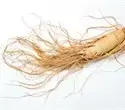
Ischemic stroke, a leading cause of mortality and long-term disability, continues to challenge medical science with its limited therapeutic options. While current treatments aim to restore blood flow, protecting brain tissue and fostering recovery remain critical unmet needs. Traditional Chinese medicine has long utilized Panax notoginseng and Panax ginseng for their purported benefits in 'activating blood' and 'replenishing qi.' Modern research has corroborated these traditional uses, identifying anti-inflammatory, antioxidant, and anti-apoptotic properties in their saponins. However, the precise spatial distribution of these molecular changes within the complex brain, and the differential effects of these two plant extracts, have remained elusive until now. A groundbreaking study from Zhejiang University has shed light on these mechanisms, providing a spatially resolved molecular understanding of how these distinct plant saponins exert their neuroprotective effects following ischemic stroke.
Detailed Report: Distinct Mechanisms of Plant Saponins in Ischemic Stroke Alleviation
In a significant study published in Targetome on August 25, 2026, Jie Liao's research team at Zhejiang University unveiled the distinct neuroprotective mechanisms of saponins derived from Panax notoginseng (PNS) and Panax ginseng (PGS) in mitigating ischemic brain injury. The study highlights that while both preparations share common neuroprotective benefits, they preferentially target different cellular pathways, offering a more nuanced understanding of their therapeutic potential.
To investigate these mechanisms, researchers induced permanent middle cerebral artery occlusion in male C57BL/6 mice, a standard model for ischemic stroke. The mice were then administered either low or high doses of PNS or PGS, with edaravone serving as a positive control due to its established neuroprotective properties. Neurological deficits, infarct volume, tissue damage, neuronal integrity, and apoptosis were assessed 24 hours post-treatment. A separate cohort of mice was monitored for seven-day survival to evaluate long-term efficacy.
The results demonstrated remarkable improvements with both saponin treatments. At a dose of 200 mg·kg⁻¹, PNS and PGS significantly reduced neurological scores from 3.67 in untreated model mice to 2.00 and 2.17, respectively. PNS proved particularly effective in reducing infarct volume, lowering it from 30.73% to 11.70%, a reduction comparable to that achieved by edaravone. PGS also showed substantial benefits, reducing infarct volume to 13.33%. Crucially, seven-day survival rates dramatically improved: from a mere 25% in model mice to 75% with PNS and 50% with PGS. Histological examinations further corroborated these findings, revealing that both treatments attenuated edema, neuronal damage, Nissl-body loss, and apoptosis, with PNS generally exhibiting superior acute protective effects.
To delve deeper into the molecular underpinnings of these observations, the research team employed Spatial-seq 2.0. This advanced technique allowed for the analysis of 384 spatial spots across brain sections from sham, model, PNS, and PGS groups, with three biologically independent mice per group. The eight spots exhibiting the most significant disease-related transcriptional changes were precisely aligned with the ischemic penumbra, the area of brain tissue at risk of infarction.
Gene Ontology and pathway analyses revealed shared regulatory effects on mitochondrial transport, protein localization, and tight-junction organization across both saponin treatments. However, distinct preferential pathways emerged. PNS predominantly influenced actin-filament and cytoskeletal organization, suggesting a role in vascular integrity and endothelial repair. In contrast, PGS more strongly impacted the tricarboxylic acid cycle and NADH dehydrogenase-complex assembly, indicating a greater influence on mitochondrial metabolism and energy production.
These differential molecular responses were further validated through quantitative real-time PCR in ischemic brain tissue and cellular models, and Western blotting. Western blot analysis showed that PNS more effectively restored Rac1 and VE-cadherin, proteins crucial for cytoskeletal remodeling and endothelial repair. PGS, on the other hand, exerted more pronounced effects on mitochondrial proteins such as SDHA and ATP5A. Both treatments were found to increase Nrf2, suggesting a common antioxidant pathway contributing to their neuroprotective actions.
In summary, this study provides a spatially resolved molecular explanation for the distinct pharmacological profiles of PNS and PGS. The findings suggest that PNS may be particularly beneficial for early vascular protection, while PGS could play a more significant role in metabolic support and subsequent neural recovery. While these results are promising, further research incorporating additional time points, chemical profiling, spatial multi-omics, and causal experiments will be essential to translate these findings into effective human treatments, especially considering the current study's focus on mice and the initial 24-hour post-stroke period.
This research marks a pivotal step in understanding the intricate mechanisms by which natural compounds can combat the devastating effects of ischemic stroke. The spatially resolved molecular insights offer a roadmap for developing targeted therapies that leverage the unique strengths of different plant-derived saponins. As a journalist, I am particularly struck by the elegance of combining traditional medicine with cutting-edge spatial transcriptomics to unravel complex biological processes. This study not only validates the wisdom embedded in ancient practices but also propels us towards a future where personalized, plant-based interventions could significantly improve outcomes for stroke patients. The call for further clinical validation and exploration of stage-specific benefits underscores the scientific rigor required, yet the potential for these natural compounds to offer new hope is undeniably exciting.