Enhancing Cognitive Vitality: The Role of Social Engagement in Healthy Aging
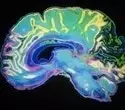
A recent extensive international investigation underscores the pivotal role of varied social engagements in bolstering cognitive performance and mitigating the brain's natural decline with age. Published in the Journal of Epidemiology & Community Health, the findings suggest that consistent involvement in a range of social activities, especially volunteering and participation in sports clubs, significantly contributes to maintaining mental acuity. This research offers valuable insights into potential strategies for preserving cognitive health as individuals age.
Social Engagement's Impact on Cognitive Health
This comprehensive study reveals a strong correlation between active social participation and enhanced cognitive function in older adults. Researchers observed that individuals who regularly engaged in three or more social activities consistently exhibited higher cognitive performance scores over time. These activities encompassed a broad spectrum, including volunteering, membership in sports clubs, attending educational courses, and childcare. The benefits extended to improvements in both memory and executive functions, key components of cognitive health that are often affected by aging. The study highlights that the diversity and sustained nature of these engagements are crucial, suggesting that a multifaceted social life provides a more robust defense against cognitive decline.
The study, which analyzed pooled data from five nationally representative surveys across 24 countries, including the US Health and Retirement Study and the English Longitudinal Study of Ageing, tracked over 57,000 participants for an average of six years. Participants, whose average age ranged from 57 to 73, underwent regular assessments of memory and executive function. The results consistently showed that higher levels of social engagement correlated with better cognitive outcomes. Notably, volunteering and sports club involvement were universally linked to reduced risks of cognitive decline across all demographic groups. This large-scale, international approach addresses previous inconsistencies in research by providing a broader and more robust evidence base, emphasizing the importance of social integration as a preventative measure for cognitive well-being in later life.
Mechanisms of Cognitive Protection and Future Implications
While the observational nature of this study prevents definitive conclusions about cause and effect, the researchers propose several plausible mechanisms through which social activities might protect cognitive function. One key theory is the 'use it or lose it' hypothesis, suggesting that engaging in cognitively stimulating activities fosters neural plasticity and strengthens synaptic connections in the brain. This continuous mental exercise could enhance the brain's ability to adapt and maintain function despite age-related changes. Additionally, higher educational attainment is thought to improve neural efficiency and compensatory capacities, providing greater resilience against neuropathological processes associated with aging. The study also points to the psychological benefits of meaningful social interactions, which can promote overall well-being, modulate neuroendocrine function, and alleviate chronic stress, all factors known to negatively impact hippocampal structure and function, which is critical for memory.
These findings carry significant implications for public health initiatives and interventions aimed at promoting healthy aging. The research underscores the necessity of developing targeted programs that encourage diverse and sustained social engagement among older adults. Such interventions could serve as a practical and accessible strategy to mitigate the risk of age-related cognitive decline. The study also identifies specific demographic groups that might benefit more from these interventions, such as women, individuals aged 60 and above, those with higher education, non-depressed individuals, those living alone, and those of normal weight. By understanding these demographic nuances and the potential mechanisms at play, future policies and community programs can be tailored to maximize the protective effects of social activity, ultimately contributing to a healthier and more cognitively vibrant aging population globally.