The Interplay Between Liver Health and the Aging Process
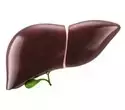
The health of the liver and the natural process of aging are inextricably linked, forming a challenging dynamic where one can detrimentally influence the other. As individuals age, the liver undergoes structural and functional changes, including a reduction in size and a diminished capacity to process lipids and glucose efficiently. This decline is significantly exacerbated by metabolic dysfunction-associated steatotic liver disease (MASLD), a condition marked by fat accumulation in the liver. This interplay creates a cyclical pattern where cellular aging within the liver accelerates the progression of MASLD, leading to increased inflammation and fibrosis. Concurrently, the persistent burden of MASLD further accelerates the aging of hepatic cells, establishing a harmful feedback loop that compromises liver function and overall metabolic health.
A closer examination reveals the distinct contributions of various liver cell types to this degenerative cycle. Hepatocytes, the primary liver cells, are among the first to show signs of senescence, characterized by altered metabolism favoring fat production and the release of inflammatory signals. Liver sinusoidal endothelial cells (LSECs), crucial for nutrient exchange, stiffen and lose their permeability with age, hindering vital metabolic processes and contributing to systemic lipid imbalance. Hepatic stellate cells (HSCs), while adopting a less fibrotic state in senescence, can still contribute to inflammation and facilitate hepatocyte proliferation under certain conditions, showcasing the multifaceted nature of cellular aging. Moreover, Kupffer macrophages, the liver's immune cells, become increasingly pro-inflammatory with age, amplifying the severity of liver disease by recruiting other immune cells and perpetuating inflammation. The shared characteristic among these senescent cells is their production of a senescence-associated secretory phenotype (SASP), a collection of molecules that spread damage throughout the organ, driving chronic inflammation and accelerating tissue degradation.
Understanding this intricate relationship opens doors for innovative therapeutic approaches aimed at disrupting the vicious cycle. Strategies targeting senescent cells, known as senolytics, show promise by selectively eliminating aged, dysfunctional cells and improving liver health. Beyond pharmacological interventions, lifestyle modifications such as regular exercise and calorie restriction can significantly impact liver aging. These practices activate pathways that promote cellular cleansing and reduce fat accumulation, leading to better glucose regulation. The critical challenge for future research lies in precisely identifying and targeting the pathological senescent cells while preserving those that play beneficial roles in tissue repair and cancer prevention. By refining these cell-specific strategies and developing reliable biomarkers, the medical community can move towards more effective treatments that foster liver health and enhance healthy aging, ensuring a more vibrant future for individuals facing these intertwined challenges.
Ultimately, fostering a deeper understanding of the molecular mechanisms underpinning liver aging and disease progression empowers us to develop targeted interventions. This pursuit not only promises improved liver function and extended healthspan but also embodies a proactive approach to well-being, emphasizing the power of scientific discovery to transform lives and promote a healthier, more fulfilling existence for all.